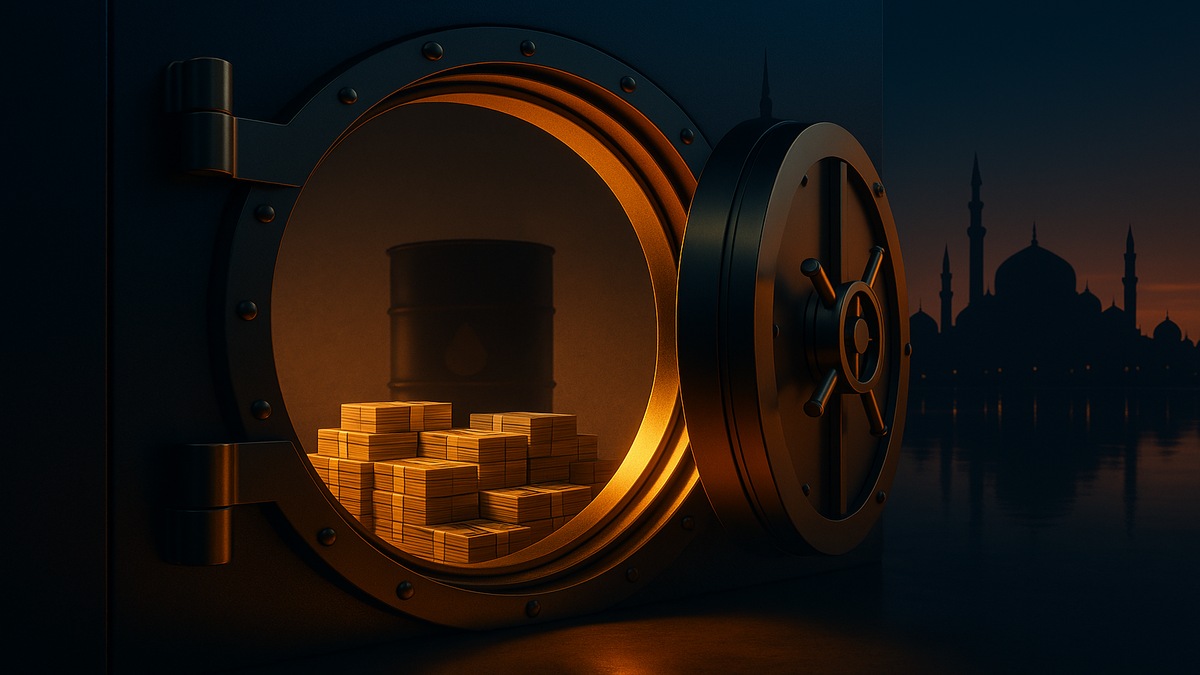
According to a Reuters report citing a source, a proposed Iran deal reportedly includes a $300 billion fund, and more than half of that money has already been committed. In plain English: a massive pool of capital is being lined up as part of a broader diplomatic and economic arrangement — and a big chunk is already spoken for before the ink is even dry.
If numbers with lots of zeros make your eyes glaze over, don’t worry. This article breaks it all down in beginner-friendly language and explains why a headline like this can ripple through oil prices, global markets, and even the crypto space.
Key Takeaways
- $300 billion fund is reportedly tied to an Iran deal, per a Reuters source.
- Over 50% is already committed, suggesting serious backers are involved.
- Deals like this can move oil prices, currencies, and risk assets.
- Nothing is final until officially confirmed — treat early reports with caution.
- For everyday investors, the story matters more for its market ripple effects than for direct access.
What Is This $300 Billion Fund, Really?
When a report mentions a “$300 billion fund” attached to a country-level deal, it usually means a large pool of money set aside for a specific purpose — think infrastructure, energy projects, reconstruction, or economic development.
The key detail here is that more than half is “already committed.” Committed capital means investors, governments, or institutions have formally pledged to put money in, even if the cash hasn’t fully changed hands yet.
Committed vs. Actually Spent
These two things aren’t the same, and beginners often confuse them. A commitment is a promise to fund; deployment is when the money is actually used.
So “more than half committed” doesn’t mean $150 billion has hit any bank account. It means the pledges exist on paper — a strong signal of intent, but still a step away from real-world spending.
Why a Diplomatic Deal Comes With a Giant Fund
Big geopolitical agreements often bundle money alongside politics. A fund gives all sides something tangible: jobs, projects, and economic upside that make the deal worth honoring.
For a country re-entering global trade, capital is oxygen. A $300 billion fund could support energy production, rebuild aging infrastructure, and reconnect the economy to international markets.
Who Typically Backs Funds This Big?
Funds at this scale rarely come from one source. They’re usually a mix of players, such as:
- Sovereign wealth funds from cash-rich nations.
- State-backed banks and development institutions.
- Large private investors chasing long-term returns.
- Energy companies eyeing new production access.
When “more than half” is already committed, it hints that heavyweight backers are on board — which is exactly what markets pay attention to.
How This Could Move Oil Prices
Iran is a major energy player, so anything that changes its ability to produce and export oil matters to the whole world. That’s the number-one reason finance folks care about this story.
Here’s the simple logic: if a deal brings more Iranian oil online, global supply rises. More supply, with steady demand, tends to push prices down.
The Supply-and-Demand Cheat Sheet
You don’t need an economics degree to follow this. Just remember the basics:
- More oil supply → prices usually fall.
- Less oil supply → prices usually rise.
- Uncertainty → prices get volatile and jumpy.
Even a rumor of a deal can move oil futures, because traders position themselves before anything is official.
What It Means for Everyday Markets
You might not trade oil, but oil trades you — indirectly. Energy prices feed into gas at the pump, shipping costs, airfare, and inflation figures that central banks watch closely.
Cheaper energy can ease inflation pressure. Easing inflation can influence interest-rate expectations, which then ripple into stocks, bonds, and yes, crypto.
Quick Look: Who Feels the Impact
| Group | Possible Effect | Why |
|---|---|---|
| Drivers & consumers | Lower fuel costs (potentially) | More oil supply can ease prices |
| Stock investors | Mixed reactions | Energy stocks may dip; others may rise |
| Crypto traders | Volatility on risk sentiment | Geopolitical news shifts risk appetite |
| Central banks | Inflation data changes | Energy is a big inflation driver |
The Crypto Angle: Why It’s Worth Watching
Crypto isn’t directly tied to Iranian oil, but it’s very tied to global risk sentiment. When big geopolitical stories break, traders shift between “risk-on” and “risk-off” moods.
A deal that reduces tension can feel “risk-on,” which sometimes benefits assets like Bitcoin and altcoins. Rising tension, or a collapsed deal, can flip that switch fast.
Bitcoin as a “Macro Barometer”
Many traders now treat Bitcoin as a gauge for global liquidity and confidence. Large capital events — like a $300 billion fund — feed the broader narrative about where money is flowing.
The takeaway for beginners: don’t expect a one-to-one reaction. Instead, watch how the overall mood of markets shifts after news like this.
Should You “Do” Anything With This News?
For most everyday readers, the honest answer is: mostly just stay informed. You can’t invest directly in a government-linked $300 billion fund, and chasing headlines rarely ends well.
What you can do is understand the bigger picture and avoid panic moves. Smart investors zoom out; hype-chasers zoom in on every rumor.
Beginner-Friendly Ground Rules
- Wait for confirmation. Early single-source reports can change.
- Think in themes, not knee-jerk trades — energy, inflation, risk sentiment.
- Diversify so no single news event wrecks your portfolio.
- Ignore the noise from accounts promising instant profits.
Why “More Than Half Committed” Is the Real Headline
It’s tempting to fixate on the flashy $300 billion figure. But the phrase “more than half already committed” is arguably the more meaningful clue.
Commitments signal credibility. If serious money is pledged, it means players with real capital believe the deal has legs — that’s what gives a story market weight.
Watch for These Follow-Up Signals
- Official confirmations from named parties, not just anonymous sources.
- Details on how and when funds will deploy.
- Reactions from oil markets and major currencies.
- Statements that clarify or walk back the reported terms.
Until those arrive, treat the story as an important early signal — not a done deal.
Frequently Asked Questions
Is the $300 billion Iran deal fund confirmed?
As reported by Reuters, the figure and the “more than half committed” detail came from a source. That means it’s a credible report but not a fully official, finalized agreement. Always look for confirmation from named, authoritative parties before treating it as fact.
How could this affect gas prices for regular people?
If a deal ultimately increases global oil supply, it could put downward pressure on prices over time, which may translate into cheaper fuel. But many factors influence gas prices, so there’s no guaranteed one-to-one effect.
Does this news directly impact Bitcoin or crypto?
Not directly. However, major geopolitical and capital-flow stories affect global risk sentiment, which can influence crypto prices. Watch the overall market mood rather than expecting an immediate, predictable crypto move.
The Bottom Line
A reported $300 billion fund tied to an Iran deal — with more than half already committed — is the kind of headline that quietly touches everything from oil to inflation to your investment portfolio’s mood.
You don’t need to react instantly. The smartest move for beginners is to understand the mechanics, watch for official confirmation, and think in long-term themes rather than headline-chasing panic. Stay curious, stay diversified, and let the story develop before you draw conclusions.
📌 Related articles:
- Trump Says He Doesn’t Manage His Own Money as 2025 Disclosure Reveals $2.24 Billion in Revenue
- Investing for Beginners: A Simple 5-Step Roadmap to Get Started
- Bloomberg Money Explained: A Beginner’s Finance Guide